KOSPI Plunges 4.3% in Worst Rout of 2026 as Iran War Hammers Asia; Foreign Selling Hits Record, Won at 17-Year Low (March 31, 2026)
Asian markets endured another brutal session on Tuesday as the Iran war’s economic fallout deepened. South Korea’s KOSPI crashed 4.26% — its worst single-day decline of the year — driven by record foreign selling and a naphtha supply crisis threatening the country’s semiconductor industry. Japan’s Nikkei 225 fell 1.27% for a second straight session, while Hong Kong’s Hang Seng eked out a marginal 0.15% gain as China’s relative energy security cushioned the blow. The selloff came as overnight U.S. markets delivered mixed results: the Dow gained 49 points but the S&P 500 posted its third consecutive loss, and oil settled above $102/barrel.
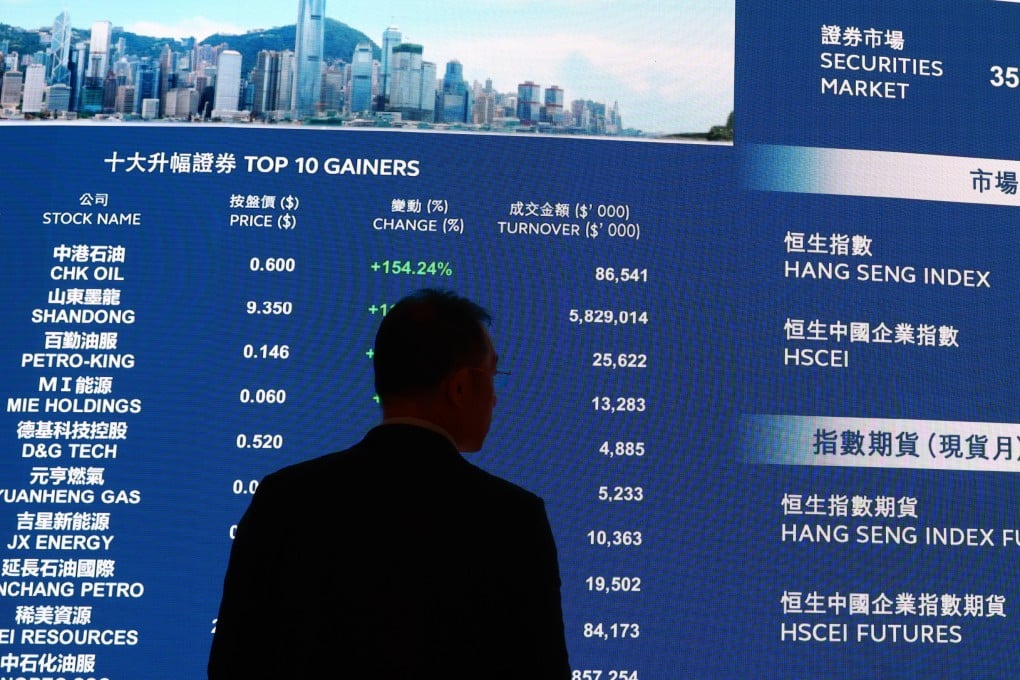
Asian markets continued to reel from the Iran war’s economic impact on Tuesday. Photo: Dickson Lee via South China Morning Post
Asia Market Performance — March 31, 2026
Source: Investing.com
South Korea: KOSPI in Freefall — Record Foreign Selling, Won at 17-Year Low
The KOSPI’s 4.26% plunge to 5,052.46 was the day’s most dramatic move in global markets. The benchmark index has now fallen nearly 20% from its record high of 6,307.27 set on February 28 — the last trading day before the U.S.–Israel war with Iran began — putting it on the edge of a bear market.
Key factors behind Tuesday’s crash:
- Record foreign selling: Foreign investors dumped a record 35.7 trillion won ($23.3 billion) of South Korean equities in March alone, according to Korea Exchange data reported by Yonhap News Agency
- Won at 17-year low: The Korean won dropped to its weakest level since March 2009, battered by oil import costs and massive capital outflows
- Naphtha crisis: South Korea relies on imports for 45% of its naphtha demand, with 77% coming from the Middle East. Naphtha is a critical petrochemical feedstock for semiconductor manufacturing. LG Chem secured 27,000 tonnes of Russian naphtha — the country’s first such purchase since the war began — under a temporary U.S. sanctions waiver
- Semiconductor supply chain fears: The naphtha squeeze threatens production of high-purity chemicals, solvents and photoresists essential for chip fabrication, SCMP reported

Naphtha is a vital petrochemical feedstock for chip fabrication — and South Korea’s supply is under severe strain. Photo: Shutterstock via SCMP
The Seoul government responded with emergency measures. President Lee Jae-myung urged “bold measures” to cope with the energy crisis, raising the possibility of an emergency economic decree. The government also proposed a 26.2 trillion won ($17.1 billion) supplementary budget to cushion the impact of Middle East tensions.
In a rare bright spot, South Korea’s government bonds begin entering the FTSE World Government Bond Index (WGBI) on Wednesday. The milestone — which Seoul has pursued for years — is expected to draw around 80 trillion won ($52 billion) in foreign inflows over the eight-month phase-in period. However, analysts at The Korea Herald cautioned that the won’s depreciation may reduce Korea’s actual index weight and limit inflows. “The WGBI inclusion may instead serve as a buffer that caps the upside in yields,” said Kim Chan-hee of Shinhan Securities.
Sources: Yonhap (KOSPI −4%), The Korea Herald (WGBI), SCMP (Naphtha)
Japan: Nikkei Falls Again as BOJ Signals April Rate Hike
Japan’s Nikkei 225 dropped 658.85 points (−1.27%) to 51,227.00, extending its losses for the second consecutive session. The index has now entered correction territory, falling more than 10% from its highs, as the war-driven oil shock hammers Japan’s energy-import-dependent economy.
Adding to the pressure, the Bank of Japan is actively laying the groundwork for a rate hike, according to Nikkei Asia. The BOJ has released studies and policy meeting opinions signaling the need for tighter policy given rising oil prices and the inflation risk from the collapsing yen. Markets now price a 70% probability of a rate hike in April.
The yen has plunged past 160 per dollar for the first time in 20 months, driven by Japan’s massive energy import bill. Tokyo’s top currency diplomat warned on Sunday that the government was “ready to take decisive steps” if speculative moves persist — raising the prospect of direct FX intervention, which Japan last carried out in July 2024.
The pattern of war-driven losses has been severe across the region. Nikkei Asia reported that Southeast Asian companies alone have shed over $200 billion in market value since the war began on February 28.
Sources: Nikkei Asia (Japan/Korea Markets), Nikkei Asia (BOJ Rate Hikes), Investing.com
Hong Kong & China: Relative Resilience on Energy Security
In stark contrast to the bloodbath in Tokyo and Seoul, Hong Kong’s Hang Seng Index managed a modest 0.15% gain to close at 24,788.14, while the Shanghai Composite dipped 0.80% to 3,891.86. The Shenzhen Component fell 1.81%.
China’s relative outperformance reflects its lower exposure to Middle Eastern energy. “Chinese equities have shown relative resilience compared to regional peers since the eruption of war in late February,” said Edith Qian, an analyst at CGS International in Hong Kong, as quoted by SCMP. “This resilience is underpinned by China’s energy security, with exposure to the Middle East accounting for only about 6% of total energy consumption.”
Beijing has also proactively restricted exports of refined oil and fertilizers to shore up domestic supply. China’s exports surged 22% in the first two months of the year, and the years-long property downturn has shown signs of a tentative floor as new home prices in first-tier cities stabilized in February.
However, aluminum producers surged after Iran’s weekend strikes on Middle Eastern production facilities threatened global supply chains. Aluminum Corporation of China jumped 7.3% to HK$11.60 on Monday, while China Hongqiao Group rallied 3.7%. LME aluminum surged 3.85% to $3,420/ton, near a four-year high.
Looking ahead, Raymond Cheng, CIO for North Asia at Standard Chartered, told SCMP there was a 70% probability oil prices would peak within the next three to four weeks as the Middle East conflict eased. In that scenario, the Hang Seng could rise to 29,000. But if the conflict deepens and rate cuts are delayed, the index could retreat to 21,500.
Sources: SCMP (HK Markets), Investing.com
Oil, Commodities & Currencies
Brent crude is on pace for the biggest monthly surge in its history, with a staggering 55% gain in March. The Strait of Hormuz closure — through which 80–85% of oil and LNG flowing to Asia passed in 2024 — has left energy-import-dependent economies like Japan, South Korea and India acutely vulnerable.
“The market is anxious that sustained high oil prices will deliver a significant shock to both the future economy and investment markets,” said Kenny Ng Lai-yin, a strategist at Everbright Securities International.
Meanwhile, Nikkei Asia reported that Australia’s LNG exporters see the crisis as an “opportunity,” with Woodside and Santos shares surging as Asia scrambles for non-Middle Eastern energy alternatives. Australian coal stocks also spiked as the energy crisis broadened.
Sources: SCMP, Nikkei Asia (LNG), Nikkei Asia (Coal)
The Naphtha Crisis: Asia’s Semiconductor Supply Chain Under Threat
One of the most alarming developments for Asia’s tech-heavy economies is the naphtha supply crunch. The Asia-Pacific region accounts for 44% of global naphtha demand, with the Middle East supplying 54% of shipments to Asia, according to Independent Commodity Intelligence Services (ICIS).
In China, naphtha spot prices have soared 24% since the Strait of Hormuz closure, to 8,733 yuan ($1,264) per tonne. Taiwan — once Russia’s largest overseas buyer of naphtha — had cut imports from Moscow to zero by February, only to have its new Middle Eastern supply routes disrupted by the war.
“A single geopolitical shock can reverberate across an entire industrial continent,” ICIS said in a note. Rolf Bulk, head of semiconductor research at The Futurum Group, warned: “Over the mid to longer term, a prolonged disruption could increase costs and extend lead times for parts of the materials ecosystem.”
The crisis adds to ongoing tech headwinds including the Google TurboQuant AI breakthrough, which has crushed memory chip stocks globally. SCMP reported that while TurboQuant rattled Samsung and SK Hynix investors, analysts argue the technology could ultimately increase memory chip demand by fueling more AI applications.
Sources: SCMP (Naphtha/Semiconductors), SCMP (TurboQuant)
Australia: Quiet Gains as Energy Exporters Benefit
The S&P/ASX 200 rose 0.25% to 8,481.80 — one of the few green spots across the Asia-Pacific. Australia’s unique position as a major energy exporter has made it a relative beneficiary of the crisis.
LNG and coal stocks continued to surge, with industry chiefs calling for capacity growth to meet Asia’s scramble for non-Middle Eastern supply. Rare-earth stocks also soared as China clamped down on exports, with Lynas — the world’s largest rare-earth separator outside China — seeing its market capitalization triple over the past year.
Sources: Investing.com, Nikkei Asia
Looking Ahead: Key Risks for Asia This Week
- South Korea WGBI entry — Bond index inclusion begins April 1, expected to draw $52B in foreign inflows over 8 months
- BOJ rate hike watch — 70% probability of April increase; yen intervention possible at any time
- U.S. jobs report (Friday) — Markets closed for Good Friday but NFP data still released; reaction on Monday
- Iran diplomacy — Trump rhetoric vacillates between peace talks and total destruction threats; WSJ reported Trump willing to end hostilities even if Strait remains shut
- Oil price trajectory — Standard Chartered sees 70% chance of peak in 3–4 weeks; but Bloomberg reported Iran struck a laden Kuwaiti tanker in Dubai waters on Monday, keeping risks elevated
As the war enters its 31st day with no ceasefire in sight, Lorraine Tan, director of equity research at Morningstar, summed it up: “Until there is more concrete evidence of a resolution, we are likely to see markets come under pressure.”
Disclaimer: This article is for informational purposes only and does not constitute investment advice. All data is sourced from publicly available reports. Market conditions are subject to rapid change — always do your own research before making investment decisions.
📊 Real-time economic indicators & market analysis
Stay ahead with ECONPLEX — your comprehensive economic intelligence platform