Asian Markets Rebound as Trump Signals Pause on Iran Strikes
Asian stock markets staged a broad-based rally on Tuesday, March 24, as investor sentiment improved following U.S. President Donald Trump’s announcement that he would delay attacks on Iranian energy facilities for five days, citing ongoing diplomatic talks. The relief bounce came after a brutal Monday session that saw the KOSPI crash over 6% and the Hang Seng shed 3.5%.
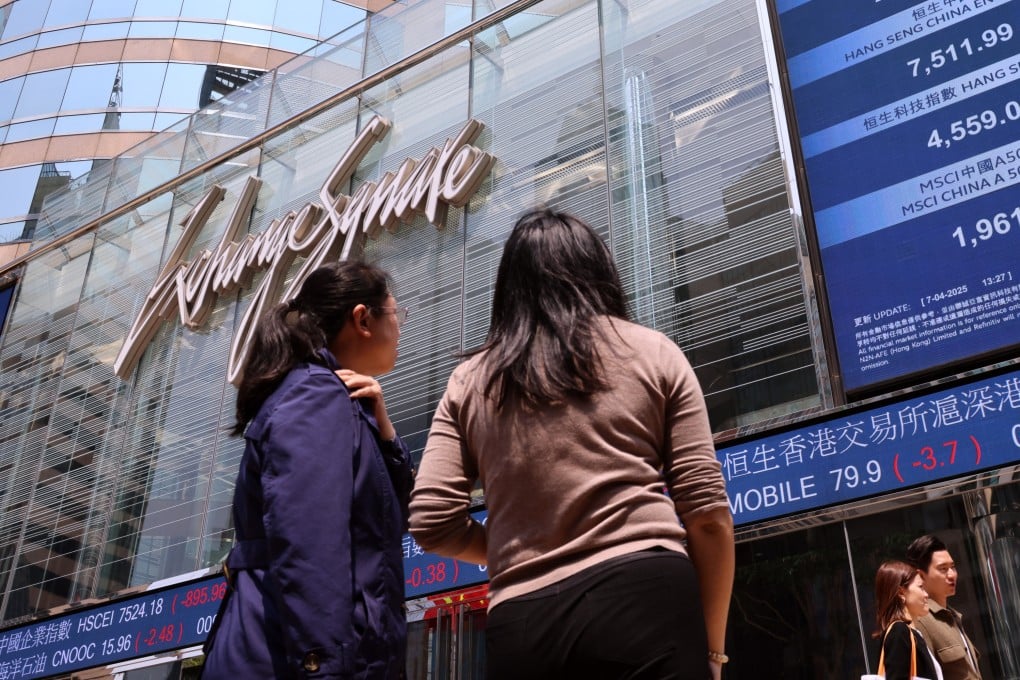
Photo: Jelly Tse / South China Morning Post
Market Performance at a Glance
Trump’s 5-Day Pause Sparks Relief Rally
The catalyst for Tuesday’s rebound was Trump’s Monday evening announcement that he was withholding assaults on Iranian energy infrastructure for five days, citing ongoing back-channel discussions. According to Trump, special envoys held talks on Sunday evening with a “top person” on the Iranian side, with both parties reportedly keen to strike a deal.
The news sent oil prices sharply lower overnight, and Asian markets opened Tuesday with broad-based gains. The KOSPI opened 4.25% higher in the first minute of trading before settling to close up 2.74% at 5,553.92 — a partial recovery from Monday’s devastating 6.49% plunge that triggered a circuit breaker.
Sources: South China Morning Post, Yonhap News Agency
Hong Kong Leads Asia’s Rebound
The Hang Seng Index surged 2.8% to 25,063.71, with notable sector-wide gains. Biotech firm Wuxi AppTec rallied 11% after reporting doubled net income, while luxury jeweler Laopu Gold jumped 16% alongside recovering bullion prices. Tech heavyweights also participated — Alibaba rose 2.9% and Tencent gained 3.1%.
On the mainland, the CSI 300 climbed 1.3% and the Shanghai Composite advanced 1.8%, supported by China’s relative insulation from the oil shock thanks to its push into renewable energy.
Source: South China Morning Post
Korean Won Rebounds Below 1,500 Mark
The Korean won strengthened to 1,495.2 per dollar, gaining 22.1 won from the previous session. It marked the first time the currency finished below 1,500 in daytime trading since March 19. Monday’s close of 1,517.3 had been the weakest level since March 2009.
Samsung Electronics and SK hynix, the world’s two largest memory chipmakers, had previously dropped 5-7% on Monday. Industry officials noted both companies hold sufficient helium inventory for several months, but warned a prolonged crisis could tighten supply and push up costs given the sector’s dependence on Middle Eastern sources.
Sources: The Korea Herald (Won), The Korea Herald (Chips)
Conflicting Signals: Risks Remain
Despite Tuesday’s rally, analysts cautioned that substantial risks persist. Conflicting signals emerged throughout the day:
- The Wall Street Journal reported that US allies in the Gulf were moving to join the fight against Iran
- An Iranian lawmaker ruled out negotiations with the US
- The Korean government is reviewing naphtha export restrictions amid Middle East supply disruptions
- Crude oil rebounded on Tuesday after plunging overnight
Goldman Sachs estimates the Strait of Hormuz blockade could last until mid-April, with Brent crude averaging US$105/barrel in March, rising to US$115 in April, then retreating to US$80 in Q4. Asian nations face an additional 30% increase in oil costs due to regional premiums.
Sources: SCMP, Nikkei Asia, The Korea Herald
Japan Seeks Oil Diversification
Japan’s Nikkei 225 recovered 1.4% on Tuesday, but the broader concern over energy security persisted. Japan’s petroleum trade association head called for a stable supply of Alaskan crude, framing the Hormuz crisis as an “opportunity” to diversify supply beyond the Middle East — a region that Japan has traditionally relied on for the bulk of its oil imports.
Meanwhile, the Bank of Japan held rates steady last week as Governor Ueda warned that rising oil prices could drag on the economy, complicating Japan’s path toward monetary normalization.
Sources: Nikkei Asia (Alaska Crude), Nikkei Asia (KOSPI Vulnerability)
Outlook: Cautious Optimism Amid Geopolitical Fog
“The recent swings in the market are largely due to shifts in sentiment in the near term,” said Li Xuewei, a fund manager at HSBC Jintrust Fund Management in Shanghai. “While we are confident in the Chinese and Hong Kong markets in the long run, we still need to be vigilant about short-term risks from escalating geopolitical conflict and stagflation concerns.”
Investors will be closely watching whether Trump’s five-day pause leads to substantive diplomatic progress or merely delays the next phase of escalation. The sidecar issuance count in Korea’s KOSPI market has already reached the second-largest annual total in history — a measure of the extreme volatility that has gripped markets since the conflict began.
Sources: Yonhap News (Sidecar), SCMP (Rate Hike Fears)
Disclaimer: This article is for informational purposes only and does not constitute investment advice. All data is sourced from publicly available reports. Market conditions are subject to rapid change — always do your own research before making investment decisions.
📊 Real-time economic indicators & market analysis
Stay ahead with ECONPLEX — your comprehensive economic intelligence platform