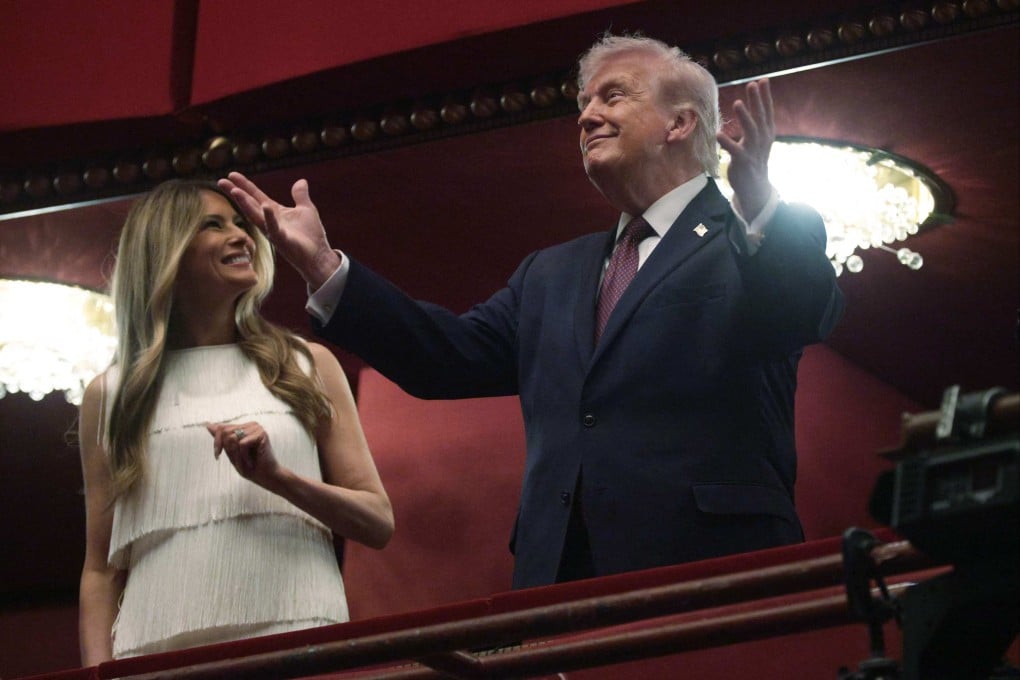
Asian markets reversed sharply on Thursday, April 2, erasing early gains that had built on Wednesday’s ceasefire optimism after U.S. President Donald Trump delivered a hawkish national address in which he vowed to “hit” Iran “extremely hard” over the next two to three weeks. South Korea’s KOSPI led the carnage with a 4.47% plunge that triggered a sell-side sidecar, while oil surged back toward $110 a barrel.
South Korea: KOSPI Plunges 4.5%, Sidecar Triggered
| Index | Close | Change |
|---|---|---|
| 🇰🇷 KOSPI | 5,234.05 | −4.47% |
| 🇰🇷 KOSDAQ | 1,056.34 | −5.36% |
Seoul was Thursday’s worst performer by a wide margin. The benchmark KOSPI fell 244.65 points, or 4.47%, to 5,234.05, while the small-cap KOSDAQ tumbled 5.36% to 1,056.34. Both indexes had actually opened more than 1% higher before Trump’s late-Wednesday address reversed the mood entirely, according to CNBC.
The sell-off was severe enough to trigger a sell-side sidecar — the Korea Exchange temporarily halted program-driven sell orders in KOSPI futures for five minutes at around 2:46 PM, Yonhap reported.
The Korean won also weakened against the dollar, opening at 1,512.2 per dollar — down 10.9 won from the previous session’s close — as renewed Middle East supply concerns pressured the energy-import-dependent currency.
Japan: Nikkei 225 Drops 2.4%, BOJ Stagflation Warning
| Index | Close | Change |
|---|---|---|
| 🇯🇵 Nikkei 225 | 52,463.27 | −2.38% |
| 🇯🇵 TOPIX | 3,611.67 | −1.61% |
Japan’s Nikkei 225 fell 2.38% to close at 52,463.27, erasing a chunk of the previous session’s explosive 5.2% rally. The broader TOPIX declined 1.61% to 3,611.67, according to CNBC.
Adding to the gloom, a new BOJ board member warned of stagflation risk from the Iran war, complicating the central bank’s rate-hike calculus. With a 70% probability of an April rate hike priced in and the yen hovering near a 20-month low against the dollar, the BOJ faces the dilemma of combating inflation while the war drags on the economy.
Crude oil import costs are surging — Japan’s Saudi Arabian crude import prices have jumped 80% in a month, according to Nikkei Asia — and the Hormuz crisis is driving power futures trading to record highs.
Hong Kong & China: Late-Session Selloff Wipes Out Gains
| Index | Close | Change |
|---|---|---|
| 🇭🇰 Hang Seng | 25,116.53 | −0.70% |
| 🇨🇳 CSI 300 | 4,478.91 | −1.04% |
| 🇨🇳 Shanghai Composite | 3,919.29 | −0.74% |
Hong Kong and mainland Chinese markets held up relatively better, cushioned by domestic catalysts. The Hang Seng fell 0.70% to 25,116.53, dropping about 1% in its final hour of trade as the weight of Trump’s rhetoric caught up. The CSI 300 lost 1.04% to 4,478.91 and the Shanghai Composite slipped 0.74% to 3,919.29, per Reuters.
Wednesday’s session had seen the Hang Seng rally 2% on ceasefire optimism, with HSBC up 3.6%, Alibaba +3.1%, and Tencent +2.6%. Thursday’s reversal was more contained, partly because China’s onshore traders added Hong Kong stocks for a third straight month, providing a buyer of last resort.
Tourism-linked stocks remained in focus ahead of the three-day Ching Ming Festival starting Saturday, with the immigration administration forecasting 2.3 million daily cross-border trips — up 11% year-on-year, the SCMP reported.
Australia & India
| Index | Close | Change |
|---|---|---|
| 🇦🇺 S&P/ASX 200 | 8,579.50 | −1.06% |
| 🇮🇳 Nifty 50 | 22,713.10 | +0.15% |
| 🇮🇳 BSE Sensex | 73,319.55 | +0.25% |
Australia’s S&P/ASX 200 also started in positive territory before reversing to close down 1.06% at 8,579.50, according to CNBC. India was the day’s outlier: both the Sensex and Nifty 50 plunged as much as 1.5% in afternoon trade after Trump’s speech, but staged a remarkable late-session recovery to close in the green — Sensex finishing at 73,319.55 (+0.25%) and Nifty at 22,713.10 (+0.15%), per Reuters and CNBC.
What Drove the Reversal?
The whipsaw came down to a single event: Trump’s national address on Wednesday night (U.S. time).
While he said the conflict was “getting very close” to ending, the threatening language dominated:
“Over the next two to three weeks, we’re going to bring them back to the stone ages where they belong.”
— President Donald Trump, April 1, 2026
The market had rallied hard on Wednesday on hopes that Trump’s earlier suggestion of a 2-3 week timeline meant de-escalation was imminent. Instead, the address made clear that significantly more military action was planned, dashing momentum and sending crude oil surging.
Kevin Mahn, CIO of Hennion & Walsh, told CNBC: “The longer oil prices stay higher, the less consumers will have to spend, and the more the economy will slow.”
Oil & Key Commodities
| Asset | Level | Change |
|---|---|---|
| 🛢️ Brent Crude | $108.62/bbl | +7.37% |
| 🛢️ WTI Crude | $107.98/bbl | +7.9% |
| 🥇 Gold | $4,612.60/oz | −3.57% |
| 🏛️ U.S. 10-Year | 4.374% | +5.3 bps |
| 🏛️ Japan 10-Year | 2.388% | — |
Crude oil was the epicenter of the risk recalibration. Brent surged 7.37% to $108.62 and WTI jumped 7.9% to $107.98. The Strait of Hormuz — through which roughly 20% of the world’s oil flows — remains the critical flashpoint, with Trump’s insistence that it must be “open, free, and clear” before any deal underscoring the fragility of supply.
Gold fell sharply (−3.57% to $4,612.60), as Reuters noted the metal slid on dimming hopes of an end to the war, with rising bond yields also weighing.
Key Developments to Watch
- Good Friday (April 3) — U.S., European, Hong Kong, and Australian exchanges are closed Friday, leaving Asian traders with no overnight cues until Monday. Thursday’s after-hours positioning could set the tone for next week.
- U.S. March jobs report — The non-farm payrolls data will be released on Friday morning despite markets being closed, meaning Monday’s open will need to digest both jobs data and any weekend geopolitical developments.
- Ching Ming Festival — China’s 3-day holiday begins Saturday. Tourism data during the break could provide a near-term sentiment boost for mainland equities.
- BOJ policy meeting (April 27-28) — A 70% chance of a rate hike is priced in, but the BOJ faces a mounting stagflation dilemma as oil costs soar while war risks depress corporate and consumer sentiment.
- Oil above $108 — With both Brent and WTI above $108, the energy crisis continues to hammer Asian currencies and stoke inflation fears across the region, particularly for import-dependent economies like Japan, South Korea, and the Philippines.
As Gary Dugan, CEO of The Global CIO Office, noted via SCMP: “Markets hear de-escalation. But the more important point is that a US retreat may lower the immediate war premium without restoring the old security umbrella for Gulf energy flows. Investors may be right to price a shorter conflict, but too early to price a full normalisation in oil risk premia.”
Disclaimer: This article is for informational purposes only and does not constitute investment advice. All data is sourced from publicly available reports by Nikkei Asia, SCMP, Yonhap, CNBC, and Reuters. Market conditions are subject to rapid change — always do your own research before making investment decisions.
📊 Real-time economic indicators & market analysis
Stay ahead with ECONPLEX — your comprehensive economic intelligence platform